
The Houston Homeowner’s Guide to Sealing Drafts & Saving Heat
- Velocity Air A/C & Heating

- Nov 18, 2025
- 5 min read
Drafts: Houston’s Invisible Energy Thieves
Drafts might feel like a small nuisance — that little chill you notice when you walk past a window or sit by the back door. But those tiny leaks? They’re actually one of the biggest reasons Houston homeowners waste money on energy bills.
The U.S. Department of Energy estimates that 25–40% of heating and cooling energy loss comes from air leaks. In Houston, where AC is practically a year-round utility bill and heaters make surprise appearances during cold snaps, sealing drafts pays off all year.
Why Drafts Hit Houston Homes Hard
Old + New Homes Both Suffer: Older bungalows may have worn weatherstripping, but even newer builds often skimp on sealing attics, recessed lights, and ductwork.
Humidity = Seal Killer: Houston’s infamous humidity warps wood frames, cracks caulk, and breaks down rubber seals faster than in dry climates.
Attic Heat & Ductwork: Most of our ductwork sits in unconditioned attics that easily hit 120°+ in summer. Leaks there don’t just waste air — they dump cooled/heated air into the least useful part of your home.
Year-Round Problem: Drafts don’t just waste heat in winter — they let cool air escape in summer, which is when Houston homes rack up massive bills.
Where Drafts Hide (The Sneaky Spots You Might Miss)
Windows & Doors – Look for cracked caulking, worn weatherstrips, or frames that don’t quite close snugly.
Attic Hatches – Often just a piece of plywood between your house and 140° attic air.
Recessed Can Lights – Older fixtures aren’t airtight, letting air sneak into ceilings.
Outlets & Switch Plates – Especially on exterior walls. Small gaps = steady airflow.
Fireplace Dampers – Even “closed” ones can leak like a half-open window.
Baseboards & Trim – Gaps where walls meet floors can leak more than you’d think.
Ductwork – The big one in Houston. Loose connections, poorly sealed boots, or sagging runs = wasted air.
Step 1: How to Find Drafts Like a Pro (DIY Detection Tools)
The Candle/Incense Test: On a windy day, hold a candle near suspect spots. Flickering flame? You’ve got a leak.
The Flashlight Trick: At night, shine a flashlight from outside. If someone inside sees light around the frame, air is sneaking through.
Thermal Camera Add-On: Affordable smartphone attachments can reveal hot/cold spots in walls and around windows.
Hand Test: Old-school but effective - run your hand along baseboards and around doors. If it’s colder, that’s a leak.
Step 2: DIY Fixes for Everyday Drafts
Weatherstripping: Replace old, cracked strips on doors/windows. Foam tape is cheap, felt is easy, and rubber is durable.
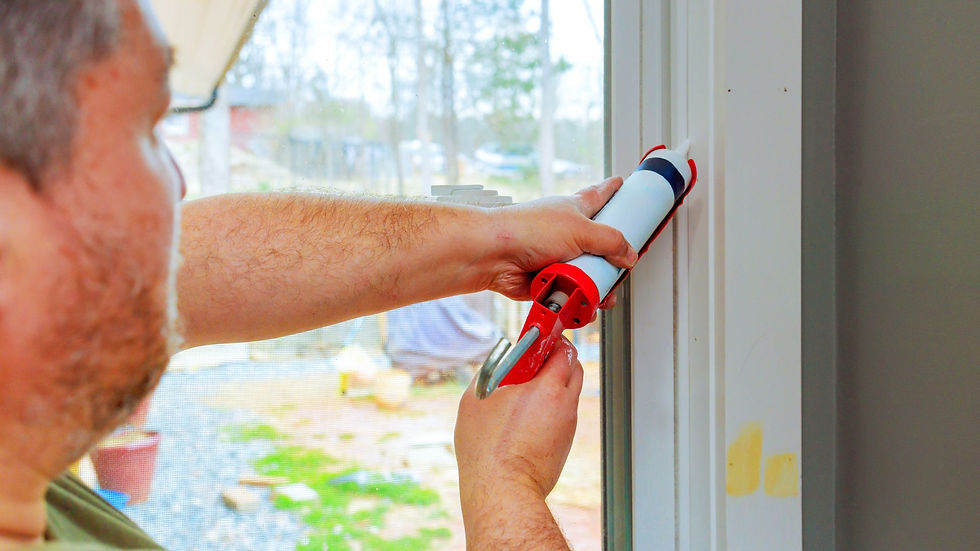
Caulking: Fill gaps around window frames, siding joints, and exterior penetrations (think cable or plumbing lines). For Houston’s humidity, use 100% silicone caulk outside.
Door Sweeps: Install under exterior doors to block that little gap you can see daylight through.
Outlet/Switch Gaskets: A few bucks at the hardware store seals outlets on exterior walls.
Window Film Kits: Adds a layer of insulation for winter — bonus, reduces condensation.
Weekend Project: Walk your home with caulk, weatherstripping, and a couple of door sweeps. Two hours, huge difference.
Step 3: The Ductwork Dilemma (Houston’s #1 Draft Culprit)
Let’s be real: sealing windows helps, but leaky ducts waste way more energy in Houston.
What Happens: Ducts in attics lose air through tiny gaps, torn insulation, or bad connections. That “conditioned air” ends up cooling your attic, not your living room.
Signs of Leaky Ducts:
Uneven temperatures room-to-room
Weak airflow at some vents
High dust levels
Whistling sounds in the attic
The Fix: Professionals use mastic sealant (not duct tape — it fails in attic heat). We also add insulation around ducts to keep air from picking up attic heat.
Step 4: When It’s Time to Call in the Pros
Some leaks you can fix with caulk and weatherstripping. Others need professional tools and expertise:
Blower Door Test: Pressurizes your house to pinpoint where air escapes.
Duct Leakage Test: Measures exactly how much air your ducts waste.
Infrared Imaging: Shows temperature differences in walls, ceilings, and ducts that reveal hidden leaks.
The best part? Many fixes (like duct sealing or attic hatch insulation) pay for themselves in 1–3 years through energy savings.
Step 5: Don’t Forget About Insulation
Draft-proofing and insulation are like peanut butter and jelly — they work best together.
Houston Attic Standard: At least R-30 insulation, though R-38 is better. Many older homes fall way short.
Air Sealing + Insulation Combo: Sealing keeps air in, insulation keeps heat out (or in). Together, they cut bills 15–20%.
Step 6: Lifestyle Habits That Help
Keep Doors Closed: Easy win — especially to garages and attics.
Use Curtains/Drapes: Insulated curtains reduce drafts from older windows.
Close Fireplace Dampers: Better yet, install a tight-fitting chimney balloon.
Schedule HVAC Maintenance: A tuned system handles airflow properly, preventing pressure imbalances that suck in leaks.
The Payoff of Sealing Drafts
Lower Energy Bills: Less wasted air means more efficient heating and cooling.
More Comfort: No more freezing by the window or sweating in the bedroom.
Cleaner Air: Sealing keeps attic dust, pollen, and outside air from sneaking in.
Longer HVAC Life: When your system doesn’t have to fight leaks, it lasts longer.
Resale Bonus: Buyers love documented efficiency upgrades — especially in Houston where bills can be brutal.
Houston Reality Check: Summer Savings Too
Sealing drafts isn’t just about winter. In fact, it might matter more in summer here:
Cold air leaks out, humid air leaks in = double whammy.
Your system runs longer to maintain temps.
Humidity sneaks in through leaks, making the house feel hotter than the thermostat shows.
Draft-proofing is one of the rare upgrades that pays dividends in both our hot summers and quirky winters.
Remember
Drafts may be invisible, but their impact is huge — on your comfort, your wallet, and your HVAC system’s health. Whether it’s sealing windows, upgrading insulation, or tackling leaky ducts, every fix puts money back in your pocket.
Schedule a duct inspection or home energy check with Velocity Air A/C & Heating today — and stop heating your attic while your family freezes in the living room.
Final Thought
At Velocity Air A/C & Heating, if you are having trouble with your HVAC system, our team is here to help. Whether you need routine maintenance, quick repairs, or a full system replacement, we will keep your HVAC running efficiently and safely, so your home stays comfortable no matter the Texas weather. We provide expert Houston HVAC repair services, Houston HVAC installation services, and Houston HVAC preventive maintenance to keep your system running smoothly and efficiently all season long. Velocity Air A/C & Heating is proud to provide Houston HVAC services, including maintenance, emergency repair, and installation, to the Greater Houston Area.
– Your friends at Velocity Air A/C and Heating


Comments